AV equipment maintenance is often overlooked when systems are working as expected. It usually becomes a priority only after something fails—a display drops out during a presentation, audio degrades mid-event, or a control system stops responding without warning. In most cases, these problems don’t start suddenly. They build up through heat, dust, wear, and small faults left unchecked.
Maintaining AV gear is about keeping systems operating within the conditions they were designed for. When maintenance is planned and consistent, equipment performs more reliably, faults are easier to manage, and replacement cycles become predictable rather than reactive. Over time, this approach helps extend AV equipment life and reduces disruption across events, venues, and workplaces.
What AV Equipment Maintenance Involves Day to Day
AV equipment maintenance covers more than surface cleaning or occasional testing. It needs to include things like airflow, electrical stability, signal integrity, and physical condition.
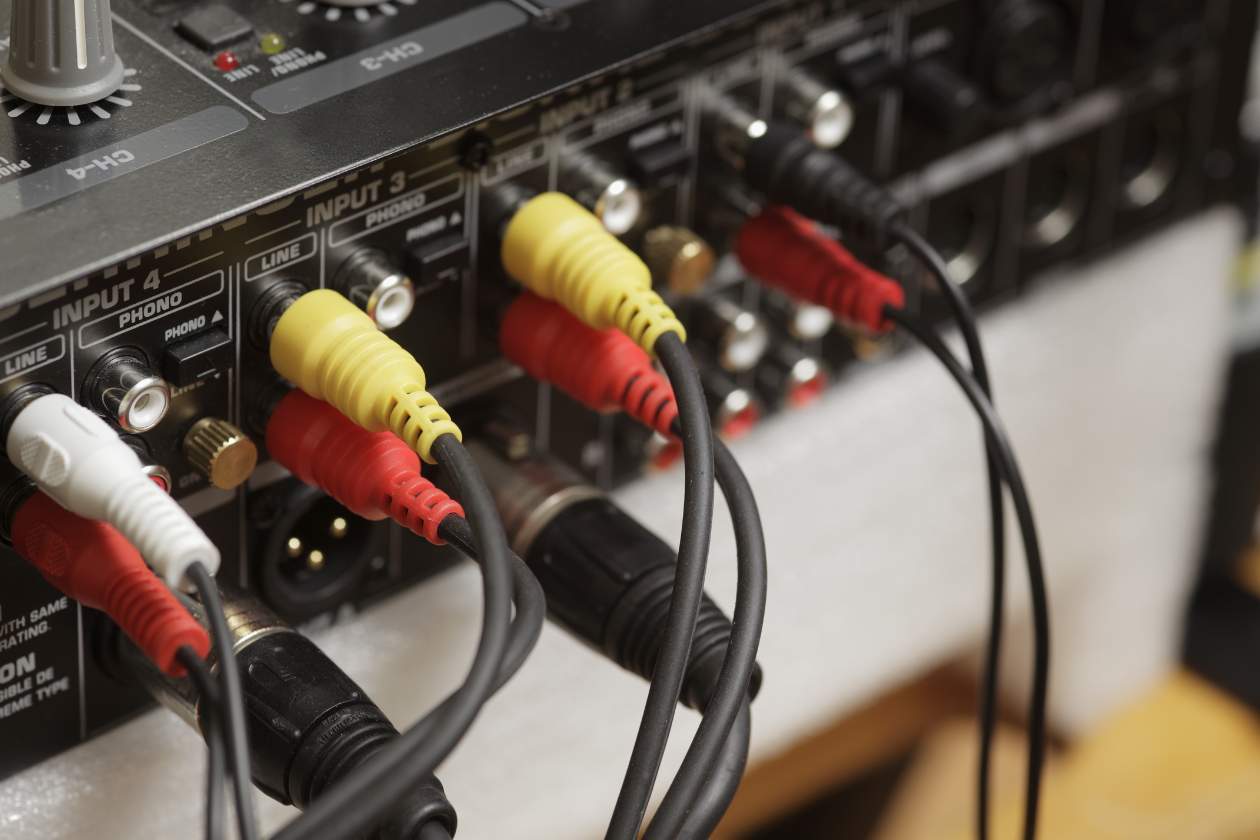
Routine checks should include inspecting vents and fans, clearing dust from racks, checking cable strain relief, and confirming mounts remain secure. For audio systems, this can involve checking gain structure, listening for distortion, and confirming speaker connections remain stable. For visual systems, it usually means checking brightness consistency, colour shift, and connection reliability.
Control systems and processors also need attention. Firmware updates, configuration backups, and network checks are part of maintaining AV gear in modern installations. Skipping these steps can leave systems unstable or difficult to support when other changes are introduced.
Accurate documentation supports all of this work. If system layouts change without records being updated, finding a fault can be slower and more disruptive.
How Usage Patterns Affect Equipment Lifespan
The working life of AV equipment depends far more on how it’s used than how long it’s been installed. A screen used a few hours a week in a meeting room will age differently from one running continuously in a venue or public space.
Heat is a common cause of early failure. Poor ventilation, blocked filters, and tightly packed racks raise internal temperatures and shorten component life. Dust makes the problem worse by trapping heat and affecting connectors and moving parts.
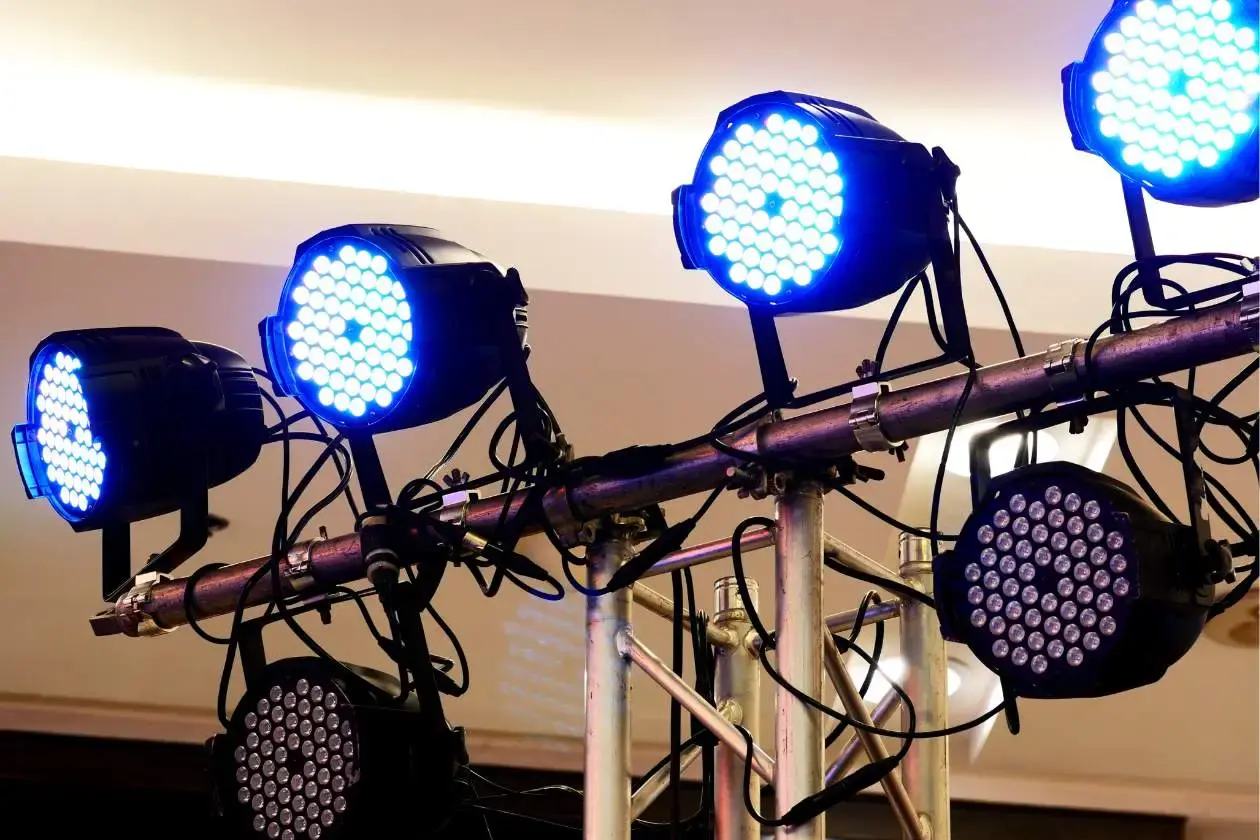
Temporary and touring setups involve different stresses. Repeated setup and pack-down puts strain on cables, connectors, and mounts. Transport vibration affects internal components over time. Your maintenance schedules for these systems need to account for handling frequency, not just calendar intervals.
Routine Checks vs Professional Servicing
Some aspects of AV equipment maintenance can be handled internally with the right processes. Having your team take care of visual inspections, basic cleaning, correct power-down procedures, and early reporting of issues can reduce long-term wear.
But more complex servicing should involves specialists. Signal calibration, audio alignment, networked AV troubleshooting, and structural checks depend on proper tools and experience. Incorrect adjustments can hide problems rather than resolve them.
Integrated systems are tricky because even minor changes can affect performance elsewhere. A firmware update on one device may alter control behaviour across a room. A cable change can introduce signal issues that affect audio or vision quality. If you plan for specialist servicing, you can reduce the risk of unintended system-wide issues.
Preventive Maintenance and Planned Downtime
Preventive maintenance focuses on identifying problems before users notice them. Instead of responding to failures, you would test your systems under expected operating conditions.
This might include running audio systems at working levels to detect distortion, checking displays for uneven brightness, and testing control systems for response delays. Mounts and rigging need to be inspected for movement or fatigue, particularly if equipment in your venue is repositioned regularly.
You can limit disruption by scheduling this work between events or outside peak operating hours. Preventative maintenance can also help you plan budgets more accurately, because repairs and replacements are identified early rather than handled urgently.
From a performance perspective, preventive maintenance also ensures that your systems continue working as specified, rather than slowly degrading without notice.
AV Equipment Maintenance in Permanent Installations
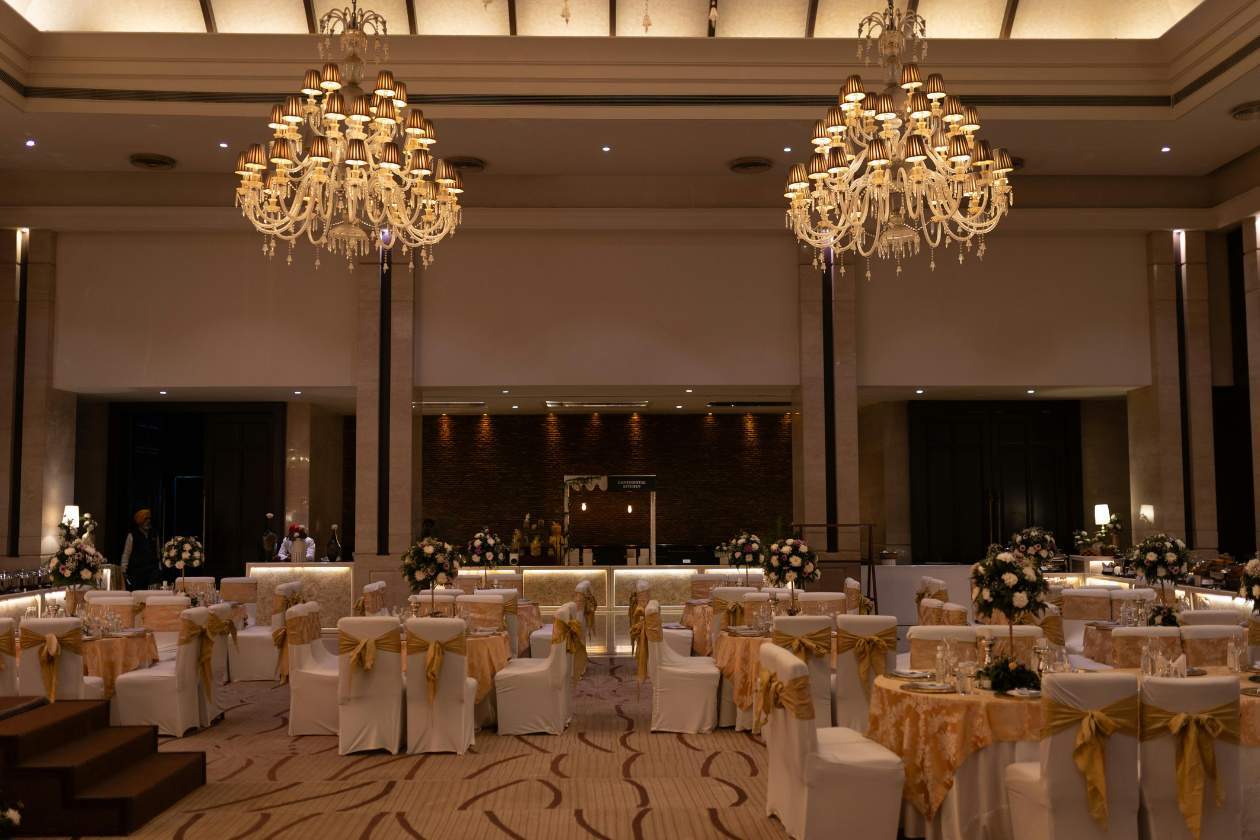
Permanent installations introduce different risks. These systems often run daily and support essential operations. If they fail, meetings are stopped, classes are interrupted, and venues lose revenue.
Here, it makes sense for AV equipment maintenance to follow a set service schedule. That way, equipment condition can be reviewed regularly, configurations checked, and components that are nearing end-of-life can be flagged early. This allows replacements to be planned around operational needs instead of being rushed during downtime.
Building and venue infrastructure also plays a role. The quality and stability of power, cooling, and network performance all affect AV reliability. If these are all maintained along with the equipment, you can prevent recurring faults that stem from external causes.
When Specialist Support Becomes Necessary
There’s a point where maintaining AV gear benefits from specialist oversight. Large systems, integrated control environments, and high-use venues are difficult to support through ad-hoc checks alone.
Experienced AV providers recognise wear patterns that aren’t obvious from daily use. They track system history, identify recurring issues, and advise on realistic replacement timelines. This can help you avoid unnecessary upgrades while reducing the risk of sudden failure.
If you need help planning AV equipment maintenance for your venue or installation, get in touch.