Event AV logistics tie every technical choice to the physical reality of the venue: ceiling height, truck access, power, cabling routes, staging, rehearsal time, and the tight window you often have to get everything working.
Planners feel the impact of this long before the first guest walks in. Good planning keeps the day calm. Poor planning creates last-minute changes that push crews, presenters, and schedules.
Map Out the Core AV Requirements Early
Event AV logistics start long before the truck leaves the warehouse. You need a picture of the room, the audience, and how the show will unfold.
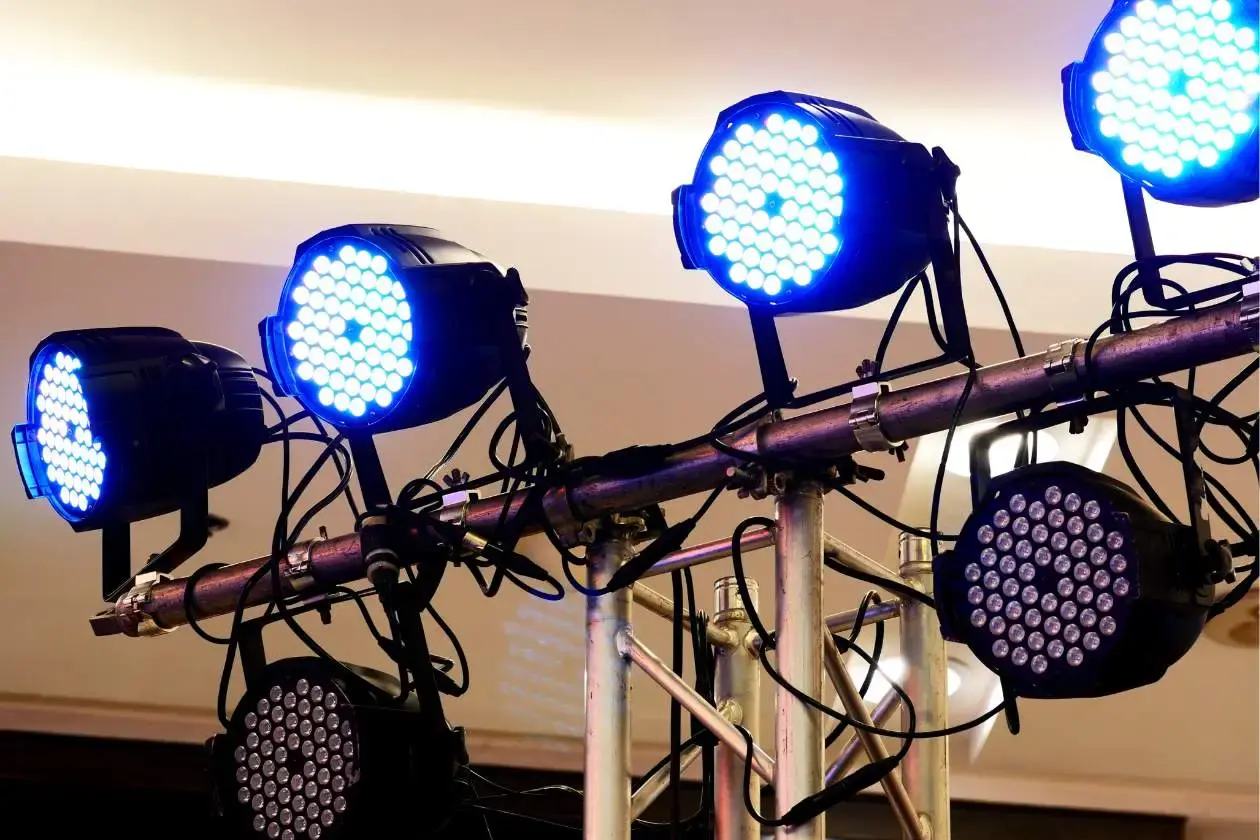
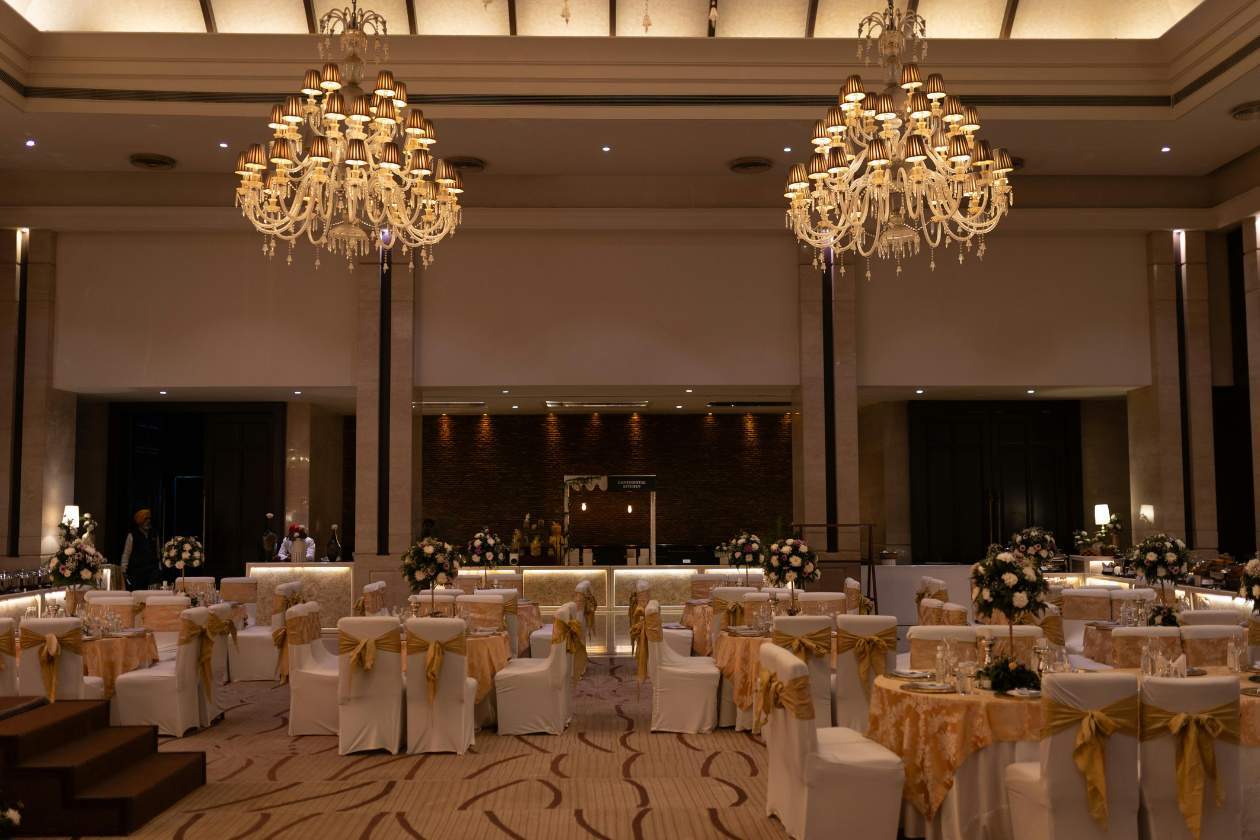
A good early step is understanding the physical limits of the venue. Ceiling height decides which lighting fixtures can be rigged and how wide the beam can go without spilling into the audience. For example, many hotel ballrooms sit around 4-6 metres; that usually allows for LED wash fixtures but limits tighter spots unless you bring in extra stands or truss.
Power is another early constraint. A single LED wall may draw several circuits; a multi-screen setup with live cameras needs even more. It’s common for audio-visual teams to request a site map showing outlet positions, three-phase availability, and any known restrictions. Venues vary widely, and knowing this early avoids sudden compromises on brightness, screen placement, or audio coverage.
Sightlines are just as important. If half the room can’t see the screen because of pillars, audio-visual crews can adjust the layout with side screens or a higher trim height.
And when the run sheet includes panel discussions, awards, or live demonstrations, the technical plan shifts again. Instructional moments may need extra front lighting; awards nights might need a smoother fade between stage areas; plenary sessions often rely on predictable mic transitions.
If you get these details sorted upfront, decisions that come later are easier to make. It also lets your AV partner recommend alternatives when the venue’s layout works against the original idea.
Build a Practical Load-In and On-Site Plan
An AV setup is only as good as its bump-in. This is the period when crews unload equipment, build the stage and screens, and test systems before rehearsals begin. Trucks need to get close enough to unload safely. Lifts must be able to carry flight cases. Some venues have restricted access times because of neighbours or other events.
Load-in plans usually include:
- Access notes – height limits, ramps, loading docks, and lift sizes
- A room-ready time – when staging, lighting, and screens can be built without clashing with furniture setups
- Crew allocations – dedicated lighting crew, vision crew, audio crew, stagehands, and the show-caller or technical director
- Rehearsal windows – time for presenters to test microphones, confidence monitors, walk-on cues, or panel transitions
A simple example:
If the venue allows bump-in only after 2pm and doors open at 6pm, the crew must work backwards. Screens and truss need to be built first, then cabling, then audio checks, followed by lighting focus. You can’t shortcut this order because each step depends on the one before it.
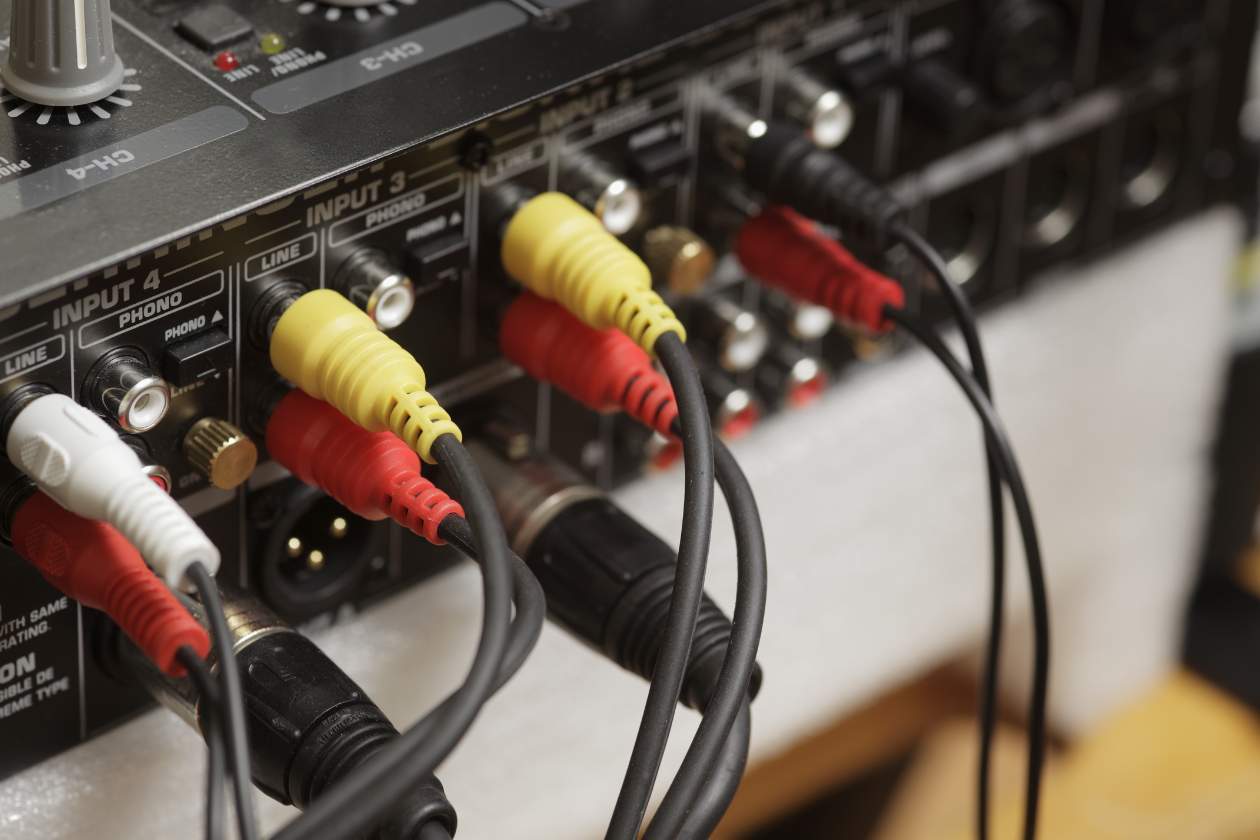
Cabling is another hidden factor. Running signal lines across a room requires safe floor covers, taping points, and short, tidy paths backstage. The more complex the show, the more important it is to keep these routes predictable for anyone moving behind the stage.
Once the audience arrives, the show-caller coordinates every transition. Their cues tie together lighting fades, mic sweeps, walk-up stings, VT playback, and camera angles. They hold the entire run sheet together, especially when presenters go off-script or sessions run long.
This is one of the clearest places where a specialist team pays off. AVisual, for example, works with the same in-house crew from planning to on-site.
Plan for Real-World Variables
Even simple shows involve moving parts that can shift unexpectedly. Good audio-visual planning for events accounts for this early.
Lighting focus may change once signage or florals arrive. LED walls might need brightness adjustments depending on daylight. Wireless mics can clash with a nearby conference using similar frequencies. Weather affects outdoor shows in obvious ways, but humidity, temperature, and glare also count.
Crews usually prepare for three main types of variables:
1. Technical backups
Backup microphones, a spare switcher, duplicate media files, and extra signal lines are common safeguards. Redundant feed paths ensure the main screen stays live if a single cable fails.
2. Venue rules
Volume caps are a frequent surprise. Some venues enforce limits due to residential neighbours or council guidelines. When crews know this ahead of time, they can adjust speaker placement or bring in line arrays that distribute sound more predictably.
3. Communication protocols
A dedicated channel between the planner, venue manager, and AV lead avoids crossed signals. This is especially helpful when there are last-minute sponsor requests or unexpected room resets.
Adding small buffers in the timeline can help avoid changes from cascading into bigger issues.
When To Bring in a Specialist AV Partner
A specialist audio-visual partner does more than provide equipment. They interpret the room, manage risks, and create a workable plan that respects time, budget, and venue constraints.
Here’s what a partner like AVisual typically handles:
Technical direction
This includes cueing, building show flows, managing rehearsals, and solving issues before the audience sees them. Complex shows often rely on a technical director to make fast decisions when schedules change.
Joined-up equipment planning
Staging, lighting, vision, audio, and rigging are linked systems. Changes to one often change the others.
Local knowledge
Many venues have quirks: tight docks, low ceilings, or older power distribution. An audio-visual team that works nationally understands these patterns and prepares for them.
On-site management
The same crew from planning to pack-down means fewer surprises. Familiar equipment, a shared shorthand, and clear communication all reduce the stress that can creep into show day.
If your event includes multiple breakouts, short turnover times, or high-profile speakers, bringing in a specialist early prevents the kind of compromises that come from last-minute planning.
Good event AV logistics aren’t about adding more equipment. They’re about choosing the right layout, planning the load-in, managing the run sheet, and preparing for the real-world variables that make live events unpredictable. Early collaboration with a specialist keeps the show steady from the first truck arrival to the final pack-down.
Get in touch with AVisual to plan your next event with confidence.
Frequently Asked Questions About Event AV Logistics
How early should AV logistics be planned for a corporate event?
Most planners start 6–12 weeks ahead, but complex shows or venues with limited access often need earlier input. An audio-visual partner can interpret floor plans, run sheet needs, and staging constraints before final decisions are locked in.
What information does an AV supplier need before quoting?
Venue name, room dimensions, ceiling height, expected audience size, run sheet, required screen content, presenter needs, and access notes. Clear information helps crews choose the right equipment and build an accurate load-in plan.
Do AV teams help with show-calling and presenter rehearsals?
Yes. A technical director or show-caller coordinates cues, works with presenters, and ensures transitions feel polished. This service becomes essential when the event has multiple segments, awards, panels, or live entertainment.